

best sellers


Sale!
Original price was: $28.00.$14.00Current price is: $14.00.
Sale!
Original price was: $28.00.$10.00Current price is: $10.00.
Sale!
Original price was: $14.00.$7.00Current price is: $7.00.
Sale!
Original price was: $28.00.$14.00Current price is: $14.00.
top collections


what’s new
Sale!
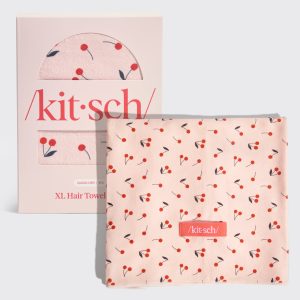
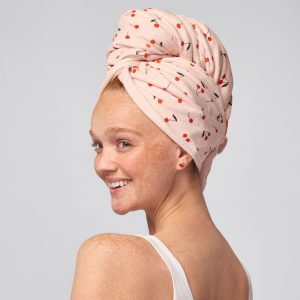
Original price was: $26.00.$13.00Current price is: $13.00.
Sale!
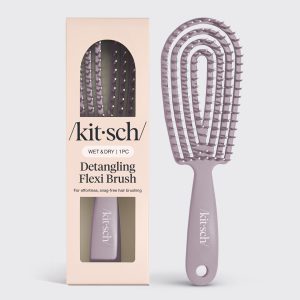
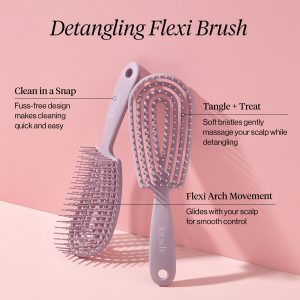
Original price was: $15.00.$7.50Current price is: $7.50.
Sale!


Original price was: $154.00.$49.00Current price is: $49.00.
Sale!
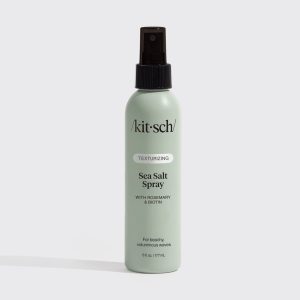
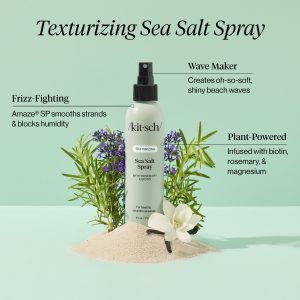
Original price was: $15.00.$7.50Current price is: $7.50.
WE’VE ALWAYS BEEN OBSESSED WITH OUR CUSTOMERS & WE THINK
The Feeling Is Mutual


Our Story
Founded by Wisconsin native Cassandra Thurswell at the age of 25, Kitsch is a global beauty powerhouse built on positivity and pure hard work. The brand supports its growing community with easy, elevated beauty solutions that are totally reliable, truly special, and made as sustainably as possible. Beginning in 2010 with a business plan no longer than a paragraph, Kitsch now supplies a full range of beauty favorites in over 20,000 retail locations worldwide. A prominent entrepreneur featured in Forbes and Inc., Cassandra continues to create elevated, sustainable beauty solutions for every moment of the day.
The Science of Scalp Health and Strand Resilience
When we think about our daily grooming routines, we often focus on the immediate aesthetic results—the shine, the bounce, and the style. However, the foundation of truly beautiful hair lies far beneath the surface. Achieving a healthy mane is a holistic process that begins with understanding how various hair care products interact with our unique physiology.
Understanding the Scalp Ecosystem
The scalp is essentially an extension of the skin on your face, but it is often more dense with oil glands and hair follicles. To maintain a healthy environment for growth, one must prioritize balance. Just as a garden requires nutrient-rich soil to flourish, your hair requires a scalp that is free from excessive buildup but still retains its natural moisture.
Many people struggle with the dilemma of over-cleansing. Using harsh formulas can strip away the natural oils that protect the scalp, leading to dryness or, ironically, an overproduction of oil as the body tries to compensate. High-quality hair care products designed for scalp health often utilize gentle surfactants that lift away environmental pollutants and dead skin cells without disrupting the delicate pH balance.
The Anatomy of the Hair Shaft
Once the hair emerges from the follicle, it is technically non-living tissue. This means that its strength and elasticity depend entirely on how we protect it from external stressors. The hair shaft consists of three main layers: the medulla, the cortex, and the cuticle.
The cuticle is the outermost layer, looking much like shingles on a roof. When these “shingles” lie flat, the hair looks smooth and reflects light, creating that coveted shine. When they are raised due to heat, chemical treatments, or mechanical friction, the hair becomes porous, brittle, and prone to breakage. This is where specialized hair care products play a vital role. Conditioners and smoothing treatments work by sealing the cuticle, trapping moisture inside the cortex and providing a protective barrier against the elements.
The Role of Moisture and Protein
A common mistake in hair maintenance is misidentifying what the hair actually needs. Generally, hair issues fall into two categories: a lack of moisture or a lack of protein.
-
Moisture: If your hair feels like straw, tangles easily, or lacks elasticity, it likely needs hydration. Humectants and natural oils are essential ingredients in hair care products aimed at restoring softness.
-
Protein: If your hair feels mushy, limp, or fails to hold a curl, it may have structural damage. Keratin-based treatments and amino acids help fill the gaps in the hair shaft, restoring its structural integrity.
Long-Term Maintenance Strategies
Consistency is more important than intensity. Rather than seeking a one-time miracle treatment, focus on a sustainable routine. This includes protecting your hair from high temperatures when styling and being mindful of how often you apply tension through tight hairstyles. By choosing the right hair care products and applying them with intention, you are investing in the long-term vitality of your hair.